Fish Names in English for Kids
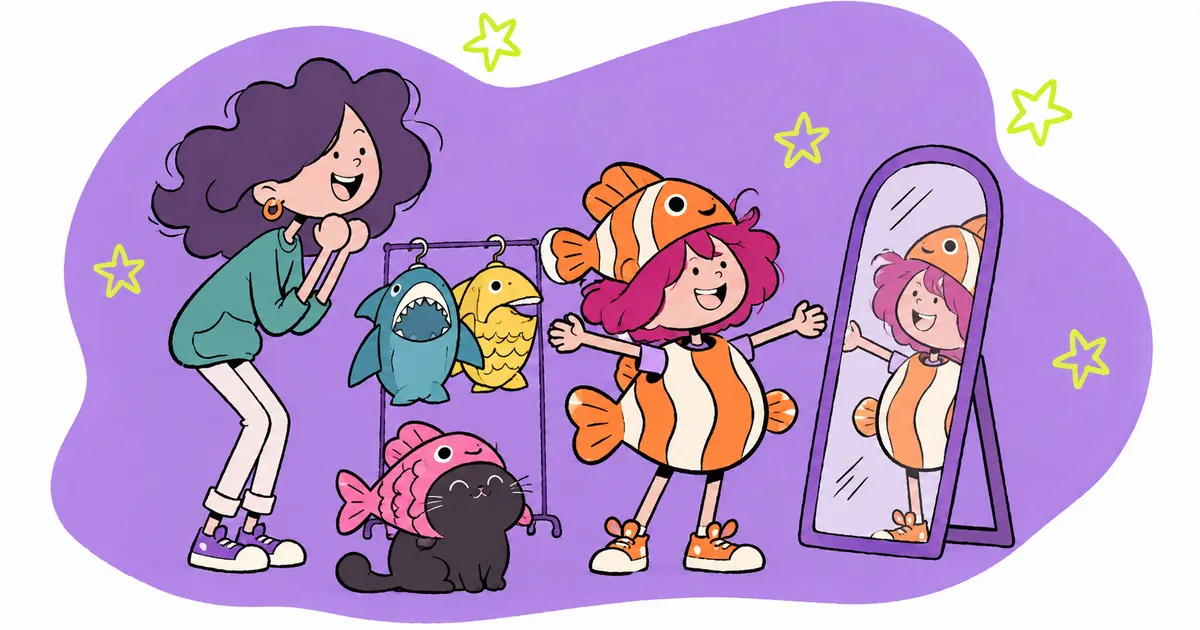
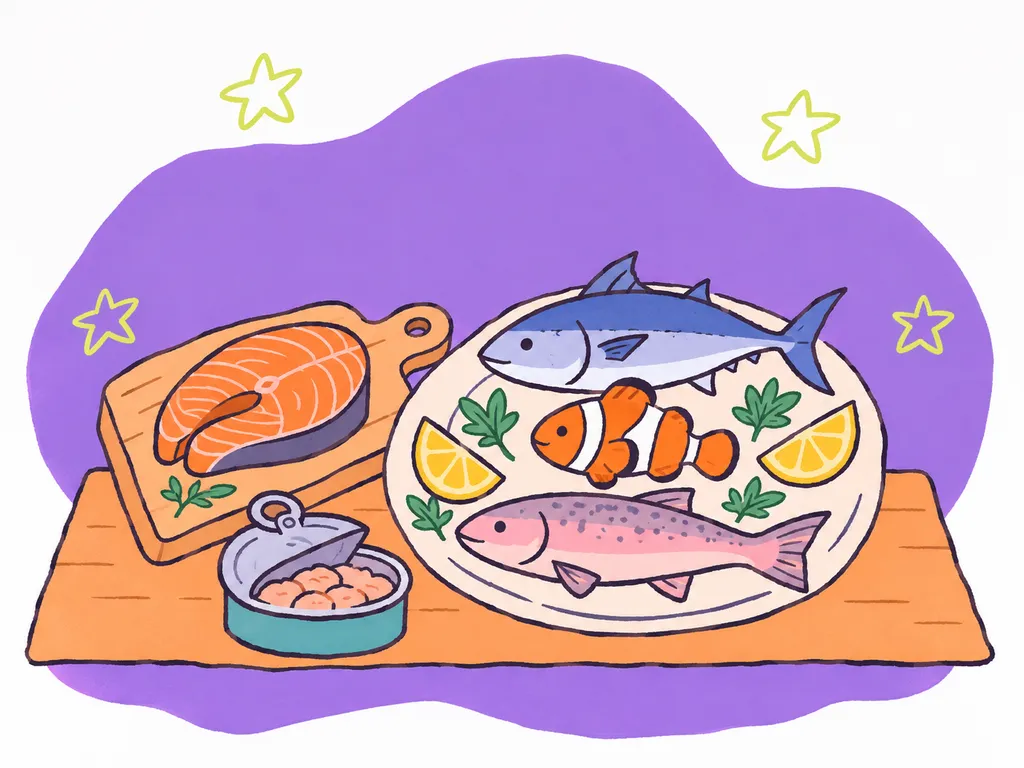
Start with 18 common fish names, using pictures, short sentences, and quick games. This guide to fish names in english for kids gives families practical vocabulary, sentence patterns, and age-based activities. Begin with four to six words, then add names when your child recalls and uses them without prompting. Multilingual children can connect each English word to a known idea. Aim for steady recall: see the fish, name it, and use it in a sentence.
A Practical Fish Vocabulary List
A first set of fish names in english for kids should combine familiar animals with distinctive shapes, colours, or features. Teach each noun with one visible clue instead of an isolated sound. The table contains the promised 18 names. Choose four to six rows and model each example with a picture.
Do not teach the 18 names at once. For ages five to nine, place four to six pictures on a table. Ask, “Where is the eel?” before “What is this?” Recognition develops before independent recall. Once answers come quickly, replace one known card with a new fish.
Using Fish Words in Short Sentences
Practising fish names in english for kids through short sentence frames turns labels into language. Begin with “It is a ray.” Add a feature: “The ray is flat.” Then add an action or place: “The ray swims over the sand.” The pattern supports new vocabulary without overwhelming the learner.
Teach questions with answers. Example pairs include “What fish is this?” and “It is a clownfish,” or “Where does the carp live?” and “It lives in fresh water.” Younger children may answer with one word. Model the full sentence without correcting every reply.
Plural practice matters because the standard plural of fish is also fish: “one fish” and “three fish.” Individual names may change, as in “one sardine” and “two sardines.” Use pictures showing different quantities so your child notices the animal and number.
Activities for Different Ages
Activities for fish names in english for kids should match attention span, reading skill, and confidence. Age bands guide teaching; they are not tests. A beginner aged ten may need picture support, while a confident six-year-old may describe multiple features.
In a multilingual family, compare names after saying the English word. Similar sounds across languages may support memory, but English recall remains the goal. Accept different accents, model accurate pronunciation, and correct only sounds that change meaning.
Games and Home Practice
Keep fish names in english for kids active through brief games. Hide picture cards and give clues such as “Find a fish with a long body.” Play memory pairs with two copies of each picture; your child says the name before keeping a match. For drawing practice, one person describes a fish while the other draws without seeing the picture.
Three-clue Fish Challenge
Choose one fish and give three clues without naming it. Try: “It has a long body. It moves between rocks. Its name begins with e.” Your child answers, “It is an eel,” then chooses another fish and gives three clues.
Review words across days. On the first day, name and match pictures. On the next day, sort them by features such as long, round, flat, or striped. Later, request a sentence or question. Changing the task prevents memorisation based only on card order.
Common Mistakes to Correct Gently
The first error is adding -s to every use of fish. In everyday English, say “one fish” and “five fish.” The verb changes: “One fish swims,” but “Five fish swim.” Fishes can describe different species, especially in scientific contexts, but children do not need this form for basic descriptions.
Another mix-up involves sea-animal names. Dolphins and whales are not fish. Octopuses, jellyfish, and starfish are not fish either, despite their habitat or names. Teach sea animal as the wider group. Explain that sharks, rays, eels, and seahorses are fish, although their bodies differ.
Check spelling, pronunciation, and capital letters. Fish names begin with a lowercase letter unless they start a sentence. In standard English varieties, the l in salmon is silent. Compound names such as goldfish, clownfish, and swordfish form one word. Correct one point, then let your child use the word again.
- Model the correct fish name once, then invite your child to repeat it.
- Use one picture card to contrast similar fish names without criticism.
- Praise the first correct sound before gently recasting the whole word.
- Ask your child to point to two fish before naming them.
- Revisit three tricky fish names in a familiar picture book today.
When a word has several meanings or pronunciations, Cambridge Dictionary is a useful check before turning it into child-friendly examples.
Frequently Asked Questions
How Many Fish Names Should My Child Learn at Once?
Start with four to six names for a child aged five to nine. Choose contrasting fish such as an eel, ray, goldfish, and pufferfish. A small, varied set simplifies matching. Add one or two names when your child can recognise, name, and describe most of the first set. A lesson on fish names in english for kids should build recall step by step instead of testing a long list.
Should My Child Learn Spelling or Speaking First?
Begin with listening and speaking, especially for a new learner. Connect each word’s sound with a picture before copying it. Add written labels when spoken names become familiar. Older children can study sound and spelling together, but each word still needs a sentence. Copying alone does not prove understanding.
Can We Use Our Home Language During Practice?
Yes. Your child may use a home-language word to confirm meaning or compare names across two languages. Then return to the English name and sentence. Avoid translating every instruction before your child can think. Try this routine: show the picture, ask in English, pause, give a clue, and use the home language only when meaning remains uncertain.
How Can I Check Whether My Child Remembers the Words?
Change the task instead of repeating one flashcard test. Ask your child to find a named fish, name a picture, complete a sentence, sort fish by visible features, or give clues. Recall becomes secure when your child uses a word in multiple tasks after a gap of several days. Keep corrections brief and focused.
Follow three steps: teach four to six fish names, practise each in a short sentence, and review the words through a different game two days later. Add one or two names only after your child recalls most of the first set without help.
Want to see how these ideas work in a real lesson — try a LearnLink trial lesson.
Stay updated on our latest tips and resources by following us on Instagram LearnLink.